Holiday Drinking: What Is Normal?

Holiday Drinking

I recently read an interesting article about a Caron Treatment Centers study titled “Many Americans Oblivious to What High-Risk Drinking Looks Like.” Dr. Harris Stratyner was quoted as saying “Alcohol is still the number one cause of damaging behavior at holiday celebrations throughout the U.S”. The information in this article got me thinking… are the holidays a time and excuse for people to abuse alcohol and what are the consequences? The Caron Treatment Centers study found that even non-alcoholics are over-imbibing at these events and experiencing many negative effects such as:


  • 50% saw a co-worker/supervisor share inappropriate personal details about themselves or other colleagues
  • 45% saw a co-worker/supervisor flirting with another colleague
  • 43% saw a co-worker/supervisor drive even though he or she was drunk
  • 35% saw a co-worker/supervisor using excessive profanity
  • 30% saw a co-worker/supervisor argue, be abusive or engage in sexual activity
  • 60% of those who attend family holiday parties also reported that a family member behaved inappropriately after drinking too much alcohol. One respondent shared that alcohol prompted “a knock out drag out fist fight” and another spoke of “emotionally abusive behavior” during a family holiday party. Others said relatives wanted to drive even though they were drunk

I don’t want to be a “buzz kill” but my question is, are we having fun yet?  In Pete Hamill’s book A Drinking Life his final drink before getting sober was at a New Year’s Eve party—and he writes: “But once more, I felt as if I were shooting the scene with a camera from across the bar…It was New Year’s Eve. We were supposed to be having a good time.  Look: there were balloons. There were funny hats. There were noise makers. Charlie, bring me a vodka and tonic, will you please?…I stared into my glass, at the melting ice and vodka-logged lime. And I said to myself, I am never going to do this again.  I finished my drink. It was the last one I ever had.” Hamill took a moment to step back from the festive scene, observed the drunken and insincere behavior and concluded that it felt meaningless.  Alcohol is such an integral part of holiday events and this can be a challenge particularly for those who are sober and especially for those in early sobriety.

According to the National Institute on Alcohol Abuse and Alcoholism (NIAAA) low-risk drinking is defined as no more than four drinks per sitting and not more than 14 per week for men and no more than three drinks per sitting and no more than 7 per week for women.

The holidays are notoriously an emotionally “loaded” time for many people as well as a joyous time.  They can be especially challenging for those who are sober or choosing not to drink.  However, it is possible to be truly present for these holiday events without drinking or abusing alcohol by learning coping skills to tolerate or set limits with more challenging work and social engagements:

• Have an escape plan by bringing your own vehicle or figure out the available public transportation near the holiday event that will enable you to leave if you are feeling tempted to drink or uncomfortable.
• Ask another sober person to be “on call” for you to check in with during the event for additional support.
• Let someone whom you trust at the holiday event know that you may need additional support during this occasion or time of year.
• Find a tasty non-alcoholic beverage you can drink that will give you something to hold and may prevent people from offering you an alcoholic drink.
• Come up with a standard response as to why you are not drinking that may vary depending on the type of holiday event and if you want those in attendance to know you are sober: “I don’t drink anymore,” “I am not drinking tonight,” “I am on medication and cannot have alcohol,” “I am the designated driver tonight,” etc.
• Be choosy about the holiday events that you attend and avoid “people pleasing” by saying “yes” to events that you don’t need to nor don’t want to be at.
• Take care of yourself prior to these events: get enough sleep, eat regularly, exercise, relax, meditate, etc.
• Find new holiday activities and traditions that you may never have tried in the past which do not involve drinking alcohol (volunteer at a soup kitchen, go ice skating, have a sober get-together and gift exchange, see a movie, take a trip, etc.)
• Remember to create structure for yourself if you have time off (volunteer, exercise, make plans, got to mutual-help group meetings, therapy, etc.).
• Work extra hours if needed in order to distract yourself.
• Learn to say “no” if you do not want to attend an event.
• Put your sobriety first and realize that others may not understand what this entails, but that it is your number one priority.
• “Just say no” to rum cake!
• Attend extra mutual-help group meetings during this season (i.e., A.A. has “alcathons” that involve 24 hours of meetings, food, socializing at designated locations on Thanksgiving Eve, Thanksgiving, Christmas Eve, Christmas, New Year’s Eve and New Year’s Day. Contact your local A.A. Intergroup for more information.
• Be honest with loved ones if you are having a hard time and let them know how to support you.
• Remember that “this too shall pass” and there is life after the holidays.
• No matter how you are feeling, you do not have to drink!

For more resources and information about high-functioning alcoholics, visit www.highfunctioningalcoholic.com

By Sarah A Benton MS, LMHC, LPC

https://www.psychologytoday.com/blog/the-high-functioning-alcoholic/201311/holiday-drinking-what-is-normal

The Power Of Pet Therapy

I remember when I was seven, my Great-Uncle Benji said to my parents, “Allison needs a dog.” It was at that time, my life changed. I was a very quiet, reserved kid, but dogs brought me out of my shell. They were with me during good times, painful times and major life events—and loved me no matter how I reacted to these situations. They remained stable forces in my life, even during the darkest turmoil.

Nowadays, I work with clients who live with depression, anxiety and addictions, and they don’t always feel like there is hope. It’s hard for them to see light in the midst of their darkness, and peace seems so far away. But when I use my dogs during pet therapy visits, I see how animals brighten up a person’s mood, even if it’s for a short time. That moment allows a small trickle of light into that person’s heart, which may not have been there before.

During one session in particular, a client asked if she could get on the floor because she wanted to talk to my therapy dog about something “very important.” She buried her head into my dog’s fur and talked about the horrible week she had endured. Stroking my dog’s fur, my client was overcome with a sense of calm in a way I could not have accomplished by merely talking with her. No judgments, no expectations—just a furry hug.

When we’re facing despair, loneliness, chronic health issues, depression, addictions, or anything beyond our ability to cope, a pet can help ease the pain. He or she can give us a reason to get out of our thoughts to focus on a sense of purpose. The relationship we have with our pets is real and symbiotic—what I give to my pets comes back to me in ways that can’t be measured.

Research shows the benefits of pet therapy (in fact, its first known use dates back to the 9th century!). Boris Levinson was the first clinician to truly introduce the value of animals in a therapeutic environment. In the 1960s, Levinson reported that having his dog present at talk therapy sessions led to increased communication, increased self-esteem and increased willingness to disclose difficult experiences. Ever since, people have been turning to pets for comfort and support during periods of emotional turmoil. Hugging and speaking with a pet who won’t judge you for your feelings or thoughts is cathartic and helps people get through rough times. Pets also reduce symptoms of anxiety or depression, giving people a reason to get up in the morning. Other benefits are unconditional love, acceptance, a “buddy” that encourages physical activity, which leads to healthier lifestyles.

If you’re unable to own a pet, there are many ways to reap the benefits of a pet relationship. Volunteering at a local shelter or helping rescue groups or pet therapy organizations such as Pet Partners (a national organization that promotes positive human-animal interactions) are ways to save pets’ lives, and possibly your own.

By Allison White, ACSW, LCSW, CCDP-D

https://www.nami.org/Blogs/NAMI-Blog/November-2016/The-Power-of-Pet-Therapy

PTSD And Trauma: Not Just For Veterans

When we think about posttraumatic stress disorder (PTSD), it’s typically in the context of active duty service members and veterans—for good reason. Dangerous and potentially traumatic situations are common occurrences in the context of military service. However, it’s important to note that PTSD is not exclusive to this type of trauma.

In the U.S., about eight million people experience PTSD. While any traumatic experience can lead to PTSD, there are a few types of trauma that are the most common. Examples include sexual assault/abuse, natural disasters, accidents/injuries to self or other, or being in a life-threatening situation. When you consider these examples, it’s understandable why people would associate PTSD most frequently with military service members. However, this assumption can be problematic.

If people believe that only service members and veterans can develop PTSD, the recognition of symptoms and treatment can be delayed. The fact is: Anyone can develop PTSD when they experience or witness a traumatic event—adult or child, man or woman. Anyone.

How Do You Know If You Have PTSD?

About 50% of all people will go through at least one traumatic experience in their lifetime. But not everyone will develop PTSD. In fact, the majority won’t. However, it can be difficult to distinguish between the typical symptoms that follow a traumatic event and when it has reached the point that a condition like PTSD has developed.

It’s common for people who experience trauma to have nightmares or flashbacks for a few weeks and then gradually improve. It’s when those symptoms don’t improve and begin to interfere with a person’s life that a mental health evaluation should be considered. A person who experiences the following intense symptoms for more than a month may have PTSD:

  • At least one “re-experiencing” symptom (flashbacks, bad dreams, frightening thoughts)
  • At least one avoidance symptom (avoiding thoughts, feeling, places, objects or events related to the traumatic experience)
  • At least two arousal and reactivity symptoms (easily startled, feeling tense, difficulty sleeping, outbursts of anger)
  • At least two cognition and mood symptoms (difficulty remembering details of the traumatic experience, negative thoughts, distorted feelings, loss of interest)

It’s important to note that PTSD-related symptoms may not occur immediately after the traumatic event; they may not surface until weeks or months afterwards. Another major, key difference between typical reactions and PTSD is that while most will remember the fear they felt during trauma, PTSD can cause a person to actually feel as if they are reliving that fear.

What Should You Do After Trauma?

If a person feels supported by friends and family after a traumatic event, it can reduce the risk of developing symptoms of PTSD. It can also be helpful for a person to join a support group, so they can share their thoughts, fears and questions with other people who have also experienced trauma. Using healthy, positive coping strategies—such as exercise, mediation or playing an instrument—can also be helpful.

If symptoms persist, it’s essential to seek treatment. Those with PTSD typically respond better to structured therapies such as:

  • Cognitive behavioral therapy (CBT) – helps a person replace their negative thoughts and behaviors with positive ones
  • Eye movement desensitization and reprocessing (EDMR) – exposes a person to traumatic memories with varying stimuli, such as eye movements
  • Exposure therapy – helps a person safely face their fears so they can learn to cope with them
  • Imagery rehearsal therapy (IRT) – is a new treatment for reducing the intensity and frequency of nightmares

If you or someone you know is having a difficult time coping with trauma, these interventions can make a huge difference. PTSD is treatable. It’s more effective if treated early, but it’s never too late to get treatment no matter how long ago the trauma occurred.

Trauma is a part of life—it affects most people at some point. But that doesn’t mean it’s a mundane experience that can be ignored or brushed off. The key is to check-in on symptoms and seek care from a mental health professional if they persist.

Whether you’re a military service member, veteran, salesperson or elementary school student, PTSD has the potential to develop in any of us. And if it does, please know that help is available. No one should face PTSD alone.

Laura Greenstein is communications coordinator.

https://www.nami.org/Blogs/NAMI-Blog/November-2017/PTSD-and-Trauma-Not-Just-for-Veterans

Exercise For Mental Health: 8 Keys To Get And Stay Moving

Mental illness has deeply impacted my life. I have experienced the flooding of anxiety and the drowning of depression. I have waged, and won, several battles with postpartum depression and been through loss and grief. I know how painful it can be to find oneself in the throes of mental illness and how helpless it can feel when a loved one is caught in its grasp. As a clinical psychologist, I have witnessed the sting of mental illness and the struggle to find healing. People come desperate to learn the tools that can break the chains of mental and emotional symptoms. Too often, individuals and their friends and family are ready to seek and find help, only to find barriers halting their progress.

Barriers To Mental Illness Treatment

An astonishing 60% of American adults, and almost half of children ages 8–15, receive no treatment for their mental illness diagnoses. Though valid treatments—like mental health medications and psychotherapy—are available, too many people encounter barriers to treatment. This occurs for many reasons, but the most common are the stigma of mental illness and its treatments, like medication and therapy; the side effects  of medication treatments; and the cost  of long-term therapy or medical interventions.

Benefits Of Exercise For Mental Health

Exercise has been researched and validated for treating a variety of mental issues and mental health conditions, including depression, anxiety, eating disorders, bipolar disorders, schizophrenia, addictions, grief, relationship problems, dementia and personality disorders. Additionally, exercise alleviates such conditions as bad moods, stress, chronic pain and chronic illnesses.

Exercise is not only free from negative stigma, it is safe when done appropriately, with a doctor’s approval. Any side effects are ultimately positive, and even better, exercise is free of charge, easy to access and available for everyone. Exercise can be used as a stand-alone treatment for some mild-to-moderate conditions or, more effectively, in conjunction with other mental health treatments.

Like medicine in the treatment of mental illness, exercise can increase levels of serotonin, dopamine and norepinephrine in the brain. It improves and normalizes neurotransmitter levels, which ultimately helps us feel mentally healthy. Other important benefits include enhanced mood and energy; reduced stress; deeper relaxation; improved mental clarity, learning, insight, memory and cognitive functioning; enhanced intuition, creativity, assertiveness and enthusiasm for life; and improved social health and relationships, higher self-esteem and increased spiritual connection.

8 Keys To Mental Health Through Exercise

If exercise is so good for physical and mental health, why aren’t more of us exercising for mental health? Why aren’t medical and mental health practitioners not only recommending exercise but also showing us how to safely start and continue exercising for mental health? The following overview of my 8 Keys to Mental Health Through Exercise can help you, your loved ones and those who provide medical and mental health care tackle underlying beliefs about exercise, change exercise-related thinking, overcome barriers and implement an effective exercise program.

1. Heal Your Mind and Body with Exercise

If you struggle with a particular mental illness, exercise has specific abilities to help you, too. From calming the anxious mind to regulating mood swings in bipolar disorder, exercise may be the best thing we can do for mental, physical, emotional, social and spiritual well-being. To receive the benefits of exercise, however, we must first believe that exercise can heal body, mind and soul.

2. Improve Your Self-Esteem with Exercise

Exercise improves self-esteem, which is associated with greater mental health. Exercise has also been shown to increase self-confidence, self-efficacy, self-acceptance and self-concept. When we exercise, we feel more loving, positive and confident.

3. Exercise as a Family

Family has a big influence on how we perceive exercise and mental health. Family beliefs can either promote or impair mental health. Exercising as a family not only gets the entire family moving to reap the benefits of exercise but also models healthy beliefs about physical activity and improves family relationships.

4. Get Motivated

Motivation, or rather lack of it, is probably the biggest block to exercise for mental health. We know we should exercise. We may even want to exercise, but we often can’t make ourselves do it. Remember that motivation is a skill that can be learned and improved upon.

5. Change How You Think about Exercise

What thoughts do you have about exercise? What promotes physical activity? What holds you back? As we identify these thoughts, we can choose to change them. One tool for this is called a “thought record.” As we list our thoughts and feelings about exercise on a thought record, we have the power to question and change our thoughts. We can put new, healthier thoughts into our brains—thoughts like, “I know if I go for a walk, I will feel more energized and less depressed.”

6. Overcome Roadblocks

While exercising can be physically challenging, exercise is just as much, or even more, about mental fortitude. What are your biggest roadblocks to exercise? If you look carefully, you’ll see that almost all of them have to do with mental perceptions and beliefs. Lack of time or energy? Not being able to get to the gym? Perhaps you face the challenge of having young children, or a job that’s taking over your life. Whatever the roadblocks, you can overcome them as you acknowledge and challenge them.

7. Get FITT—Physically and Mentally

To stay with exercise for mental health, you must first build mental fortitude. That’s why I’ve waited until Key 7 to discuss how to set up an exercise program. The FITT Principle shows how. FITT stands for Frequency (how often you exercise), Intensity (how hard you exercise), Type (of exercise you’re doing) and Time (how long you exercise). Through FITT, you can create a tailored program for your unique needs.

8. Implement Your Vision and Flourish

Finally, we need a long-term vision of health and wellness to keep exercising for mental health for the rest of our lives. Exercise is beneficial at all ages and stages; as we look to the future, we find that by exercising for our mental health, we can help overcome mental illness and become who we are meant to be. We will flourish.

Christina G. Hibbert, Psy.D. is a clinical psychologist specializing in women’s mental health, motherhood, grief/loss, selfesteem and personal growth. She is the author of This Is How We Grow, Who Am I Without You?  and 8 Keys to Mental Health Through Exercise , and host of the weekly series “Motherhood” on WebTalkRadio.net. For more on this topic, visit www. DrChristinaHibbert.com and www.Exercise4MentalHealth.com.

https://www.nami.org/Blogs/NAMI-Blog/May-2016/Exercise-for-Mental-Health-8-Keys-to-Get-and-Stay

Opening Up To Others About Your Mental Health

Have you ever had a conversation with someone that tempted you to open up about something incredibly personal, but you hesitated due to the fear of that person’s reaction? Were you worried that telling them would alter their perception of you? Many people experience this feeling as they attempt to determine whether or not to be forthright about their symptoms and their struggle.

If you are considering opening up about your mental health condition, here are some tips.

Deciding Whether You Should Say Anything

Before telling someone, be certain that the decision is right for you. Making a list such as the following can help you determine if the pros outweigh the cons.

Pros:

• The person may be supportive and encouraging.

• The person can help me find the treatment that I need.

• I may gain someone in my life to talk to about what I’m going through.

• I may have a person in my life who can look out for me.

• If a crisis were to happen, I would have someone to call.

Cons:

• The person may be uncomfortable around me after I tell them.

• The person may not want to associate with me after I tell them.

• The person may tell other people that I know, and I could be stigmatized.

Dr. Patrick Corrigan, principal investigator of the Chicago Consortium for Stigma Research and Distinguished Professor of Psychology at the Illinois Institute of Technology, leads the Honest, Open, Proud program, which offers advice for talking about mental health conditions. He encourages people to open up about their mental health condition but to do so in a safe way. “Be a bit conservative about the process,” he says. “Once you’re out, it’s hard to go back in, but the important thing is that the majority of people who come out and tell their story feel more empowered.”

Also consider the potential benefits of telling someone. Perhaps being open would help your loved ones understand why you can’t always spend time with them, or you might ease their concerns by making them more aware of what’s going on in your life. Or maybe you need special accommodations at work or elsewhere. To learn more about accommodations at work, visit www.nami.org/succeeding-at-work

Deciding Whom to Tell

Once you feel confident in your decision to share, you should consider how the person you confide in might react. Think about what kind of relationship you have and whether it’s built on trust. If you still have concerns, try a test conversation. Mention a book or movie that includes mental illness and ask their opinion about it in a context that doesn’t involve you.

Deciding When You Should Tell

Once you feel comfortable about confiding in someone, start to think about when to tell them. It may be important to tell someone to receive help and support before you reach a point of crisis. That way you have a calm environment in which to be open and learn who in your life is most willing and able to help if you need support.

Initiating the Conversation

You have a few different options for telling someone about your mental health. Perhaps scariest is to come out with it without setting up the conversation because you might catch the person off-guard. Another option would be to let the person know in advance that you want to talk about something significant so they can prepare for a serious conversation. Once you have told them that you live with a mental health condition and experience certain symptoms because of it, use examples to help them understand what it’s like. For example, “Everything I do every day, even something simple like taking a shower, is exponentially harder when my symptoms are more serious.”

Share only what you’re comfortable with. Dr. Corrigan states, “You can disclose in steps, start with safe things and see how you feel, and going forward you can choose to disclose more. Anything that’s still traumatizing, you should consider keeping private.”

If someone is supportive and encouraging, let the person know how to help you, such as if you need a ride to an appointment or someone to listen. Tell them that you’ll let them know if you want advice and that you would prefer support rather than counseling.

Refer them to resources to learn more, such as information from NAMI. The more people who talk about their mental health, the more acceptable it will be for people to be more open about the topic. “The best way to change stigma is not education—it’s contact,” says Dr. Corrigan.

Laura Greenstein is communications coordinator at NAMI.

https://www.nami.org/Blogs/NAMI-Blog/January-2017/Opening-Up-to-Others-about-Your-Mental-Health

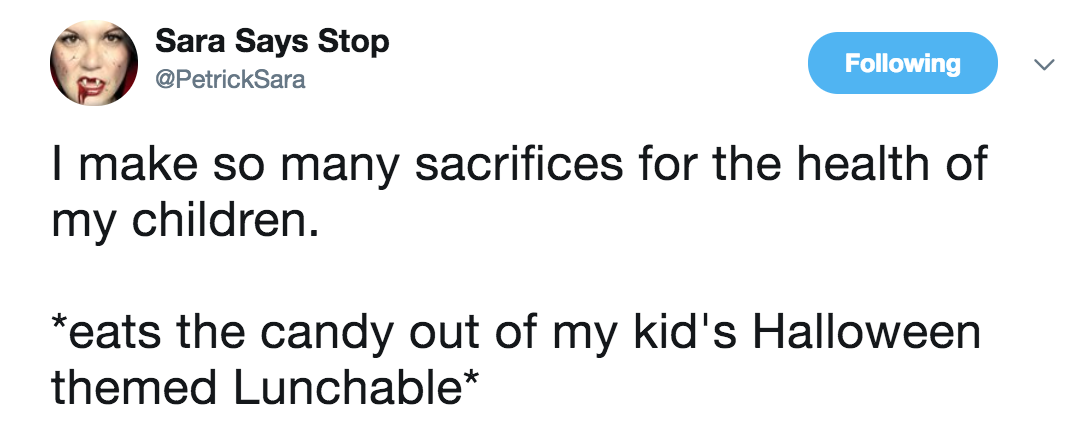
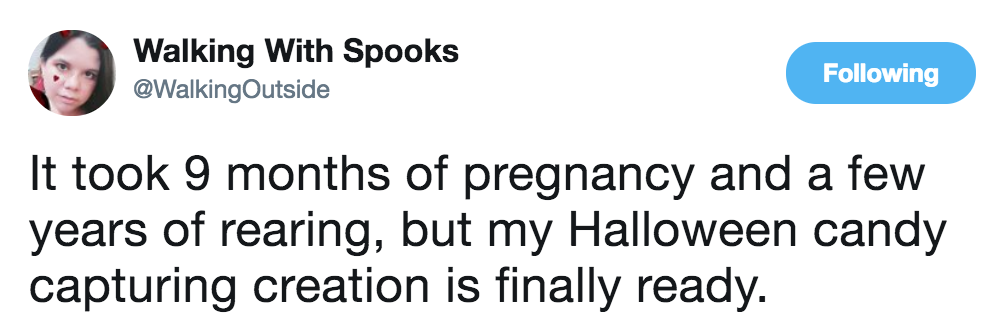
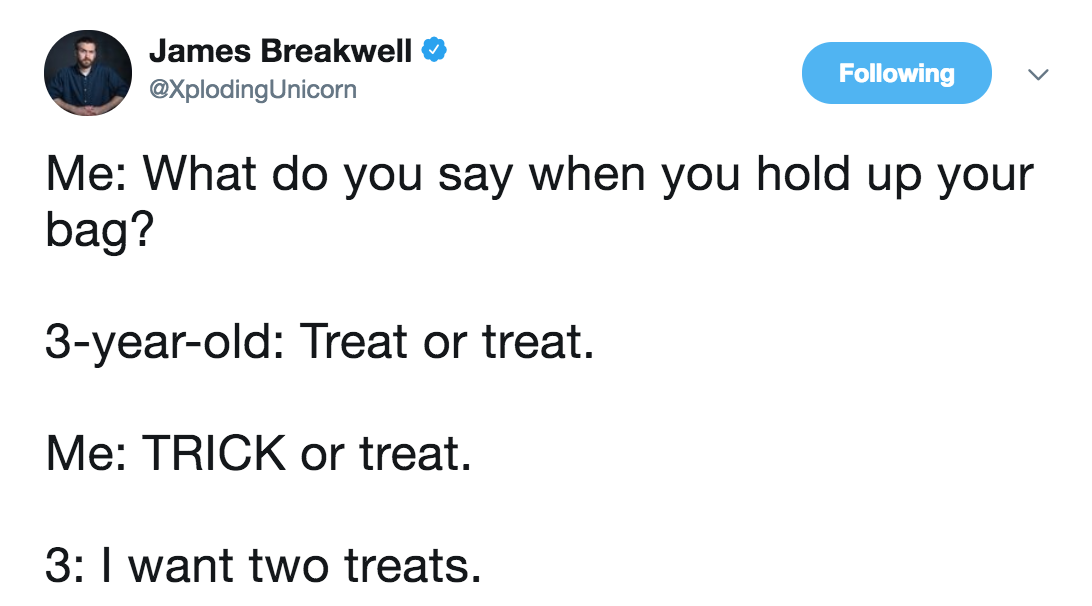
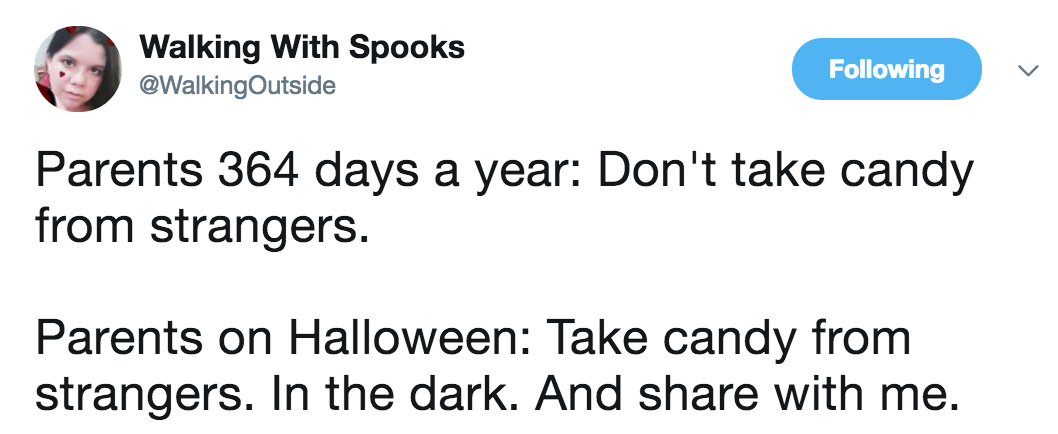
14 Tweets From Parents About Halloween That Will Make You Laugh Your Butt Off

“Treat or Treat!!”

1.

By Krista Torres 

10 Soothing Self-Care Tips Straight From Therapists

Therapists spend so much time helping other people with their mental health, it kind of begs the question: how do they look after their own?

Like, on the one hand, they’re obviously well-equipped with the mental health know-how to look after themselves, but on the other, spending all day sitting with people and their mental health problems can’t be easy.

To get some answers, BuzzFeed Health asked 10 therapists what self-care means to them. Here’s what they shared:

Cathryn Laverly / Unsplash

1.

I keep thinking about how different self-care would be depending on what therapist you ask. My coworker who has three children to go home to is going to have a different version of self-care than my coworker who runs her own side business on top of a full-time job. For some, self-care means quality time with family, unwinding from mindless television at the end of a long day, planning vacation times, and participating in social activities outside of work, all offering a different reward.

For myself, I have always found most of my self-care — my refueling — in more introverted activities. I do my best when I get to listen to meditations that ground me on a daily basis, step out into nature, spend time taking care of my own personal to do list, etc.”

—Beth Rue, MSS, LSW, primary therapist at Summit Behavioral Health

2.

“I think a lot of helping professionals find it second-nature to guide and support others on their life journeys while we can easily lose ourselves in the mix. What helps me immediately during and after an emotionally challenging day is to use humor to lighten things up for myself. Sometimes that means cracking jokes with colleagues to lessen the stress felt that day, or having a light-hearted and humorous conversation with someone who ‘gets me’ and my sense of humor, or watching a show or film I know I will get a kick out of to make myself laugh. Laughing out loud is a powerful antidote to emotional distress that always helps me lift my spirit.

—Gabriela Parra, LCSW, California-based clinical social worker

HS Lee / Unsplash / Via unsplash.com

3.

“Most important to me is being aware of what’s going on for me at any given time. Being honest with myself about where I am emotionally, and what might make me more sensitive or less objective than usual — what might make me not be able to do my best work. I accept that I am human and may have humanly imperfect reactions to things, but I have to stay on top of them to keep them from getting in the way.

I also like to create a buffer between work and home: taking some time after my sessions just to decompress and clear my mind, even if brief, before I immediately sail into Mom/Wife/Friend mode with the people in my life. And of course, above all, I have to keep taking care of myself: practice what I preach in terms of having hobbies, being active, getting outdoor time, prioritizing sleep (this one can be tough!) and staying social with the people whose company I enjoy.”

Andrea Bonior, PhD, clinical psychologist and author of Psychology: Essential Thinkers, Classic Theories, and How They Inform Your World

4.

“I try to take care of myself physically by going to the gym regularly and exercising. Working out gives me a tremendous boost in how I feel physically and mentally. I also practice what I preach, which is not to compare myself to others. It is important not to project onto other people thoughts that their lives are so much better than my life or that I have am not successful because I have not accomplished what others may have achieved.”

—Marc Romano, PsyD, director of medical services at Delphi Behavioral Health

Autumn Goodman / Unsplash / Via unsplash.com

5.

“Quite similar to self-care for everyone else. A multi-vitamin is incredibly important for self-care for me. Work-wise, mixing my daily tasks with learning and upgrading my skills. Going for an evening walk is really important for me too. I take my child to the park for a run around and then put her in the stroller and do my own walk.”

Alice Boyes, PhD, former clinical psychologist and author of The Anxiety Toolkit

6.

“A go-to for me in order to decompress and recharge is getting out in nature. Nature-therapy, as I like to call it, allows me to be in the moment, check in with myself, connect with the world around me, and get some much needed fresh air. The benefits of spending time in nature are unbe-leaf-able (!) as it is a proven way to calm the mind and body!”

—Joanna Boyd, MCP, RCC, Vancouver, Canada-based clinical counsellor

Matt Aunger / Unsplash / Via unsplash.com

7.

“For me, self-care means being fully engaged with a client when we’re together, giving all I can through my attention, care, and planning, and then letting them return to their life when the day is done as I turn my attention back to my own needs. Many years ago I realized that taking my work home stemmed from a lack of trust. I felt I didn’t give enough in the sessions and needed to worry to make up for it. But this wasn’t true. I found that I needed to trust that I’m giving all I can to my clients, trust that they are capable of healthy growth and self-care, and trust in the therapeutic process; that our collaboration is a force for good.

Of course, there are exceptional cases that require work beyond the session, and I often think of my clients when I’m off the clock, but I’m able to enjoy my down time more when I embrace trust. When I have trust in myself, my clients, and therapy, I can pivot to enjoy time with my family, working out, playing in my rock band, and continuing my weekly quest to create the world’s best spaghetti sauce.”

Ryan Howes, PhD, clinical psychologist and professor at Fuller Graduate School of Psychology

8.

“Much of my self-care involves activities that help me to feel calm, strong, and connected – all important things in my line of work. I spend a lot of quiet time in nature, which helps me to slow things down and calm both my body and my mind. I also really love group fitness classes, which help me to feel strong both inside and out, and ready to support my clients through the most challenging of moments. Perhaps most importantly, I spend time with friends and family, with whom I feel loved and supported. When things become difficult or overwhelming, they help me find perspective, sometimes simply with a much needed laugh.”

Amanda Zayde, PsyD, New York City-based clinical psychologist

Alice Hampson / Unsplash / Via unsplash.com

9.

“It’s so important for us to practice what we preach! Namely, having a balanced life that includes time with friends and family, getting a good night’s sleep and eating well, exercising, and doing things just for me (e.g., reading a good summer novel, cheering on my Tennessee Titans games, etc.). It’s also incredibly valuable to have a trusted mentor or two to seek guidance from when things have been particularly stressful.

Simon Rego, PsyD, chief psychologist at Montefiore Medical Center/Albert Einstein College of Medicine

10.

“I try to practice exactly what I recommend my clients: at least a few minutes of daily mindfulness practice, a daily gratitude minute, regular exercise (like 4-5 times/week), and time with people. There are so many incredible benefits to learning to enter the moment, turn towards the positive, develop a sense of accomplishment, and experience connections.

People do ask me about the difficulty of sitting with people in pain. Of course I empathize and it is hard to hear about how deeply some of my clients are struggling. That said, I find my job to be an opportunity. I totally believe evidence-based tools can change people’s lives so generally feel lucky and hopeful that people are courageous and that the science of psychology has evolved in a significant way.”

Jennifer L. Taitz, PsyD, LA-based clinical psychologist

By the way, if you’re feeling curious about therapy yourself, you can learn more about how to start here, since pretty much everyone can benefit from talking to a professional. For more information on free and affordable mental health care options, check out this guide.

By Anna Borges

https://www.buzzfeed.com/annaborges/therapist-self-care?utm_term=.rsy887jd15#.yo5kk1OXvL

Go Take A Hike (And Get Some Vitamin D)

Do you ever feel less energized, motivated or happy during the winter months? If you do, you aren’t the only one. Many people’s moods and feelings are affected by the amount of sunshine and vitamin D they receive. “Some studies suggest an association between low vitamin D levels in the blood and various mood disorders, including depression, seasonal affective disorder (SAD), and premenstrual syndrome (PMS)” says Mayo Clinic.

There are over three million cases per year of seasonal affective disorder (SAD), which is a mood disorder that occurs around the same time every year. SAD most often occurs during the fall and winter, but it can also occur during the spring and summer.

SAD can cause people to feel moody, gain weight, crave carbohydrates, lack focus and feel more tired even if they are sleeping more. Even if you don’t meet the qualifications of being officially diagnosed, getting enough sunlight is still important to your overall mood.

In previous years, I would always notice these types of symptoms begin to flare as fall turned to winter. In order to prevent my normal winter blues, I began to go for walks or runs around my neighborhood for 30 minutes a few times each week. I even went for walks when it was snowing, so that I didn’t remain inside for too long.

Since I started doing this, I began to not notice the drop in mood, focus and energy that I had been associating with winter for years. Not only that, but I also felt better overall. Below are some of the other health benefits to spending time outside even when it’s cold:

Less Stress and Anxiety

There is something innately relaxing —for most people—about spending time in the great outdoors. It gives you the chance to bring yourself into the present, sending your anxious thoughts out of your mind for a little while.  Taking time to clear your head has lasting effects on your overall stress and anxiety levels. Also, studies have shown that certain scents within nature, such as jasmine, pine and lilacs have been shown to reduce stress and anxiety.

Stronger immune system

Vitamin D is a critical nutrient to how our body maintains a healthy and strong immune system. The easiest way to get this vital nutrient is by spending time soaking in the sun.

When we are breathing fresh air amongst plants and trees, we are also breathing in phytoncides. These are airborne chemicals that plants give off to protect themselves. This natural chemical contains qualities that are meant to help fight off disease.

More Energy

Spending a lot of time inside can alter our circadian rhythms and throw off our sleep schedule. Being exposed to sunlight in the morning helps recalibrate these cycles, so that we sleep better at night and feel more energized during the day.

Improved Focus

The urban environments we are accustomed to constantly drain our attention spans. Between cell phones, traffic jams, crowding and noise, are brains need a break every once in a while. “Using too much directed attention can lead to what they call “directed attention fatigue” and the impulsivity, distractibility and irritability that accompany it. The inherent fascination of nature can help people recover from this state” research from the American Psychological Association shows. Spending time focusing on the nature that surrounds us allows our brains to rest, which in turn helps us to focus better later.

If you are worried about being cold, dress the way you would if you were a kid on a snow day: wear layers, gloves, a scarf, a hat, etc. Or do a form of exercise that will get your blood pumping and warm you up. You can also bring a hot beverage along with you for your activity. Especially on a sunny day, preparing for the cold can be manageable.

Looking for ideas to get started? Here are my 10 favorite things to do outside:

  1. Walk around a lake or park
  2. Find a cozy spot outside to read
  3. Eat lunch outside
  4. Play Frisbee with a friend
  5. Go for a run around my neighborhood
  6. Hike a trail
  7. Ice skate at the outdoor rink
  8. Borrow (and make sure to return!) a friend’s dog and go to a dog park
  9. Get a group together to play capture the flag (or any other game)
  10. Go on a ski trip!

Whoever this anonymous person is, he or she got it right: “I’ve never found time spent amongst nature to be a waste of time.”

By Laura Greenstein

https://www.nami.org/Blogs/NAMI-Blog/December-2015/Go-Take-a-Hike-(and-Get-Some-Vitamin-D)

“All The Bright Places” Shines A Light On Love & Loss

Trigger Warning: Sucide

“‘Oh, there he goes again, in one of his moods. Moody Finch. Angry Finch. Unpredictable Finch. Crazy Finch.’ But I’m not a compilation of symptoms. Not a casualty of bad parents and an even worse chemical makeup. Not a problem. Not a diagnosis. Not an illness. Not something to be rescued. I’m a person.”

This passage is from the insightful young adult novel All the Bright Places, which brings together two teenagers experiencing the hardships of mental illness, suicidal thinking and grief. This is author Jennifer Niven’s first young adult novel; in it, she uses her personal experience as a survivor of suicide to spread awareness about what it’s like to live with mental illness.

Using relatable characters, she paints a beautiful story of love and loss. Niven’s main character Theodore Finch asks himself, “Is today a good day to die?”—introducing suicide, the main theme of the book, in the very first line—as he stands on the ledge of a bell tower at his high school. Niven then introduces Violet Markey, who also finds herself on top of the looming bell tower, though she doesn’t fully understand how she got there. And so begins Finch and Violet’s ominous love story.

Throughout the book, Niven emphasizes how someone going through mental health challenges can believe that suicide is a reasonable solution to their condition. Finch regularly considers all the different ways he could end his life, logging them with a list of pros and cons. Finch’s ideations are revealed mainly to the reader, but occasionally to other characters.

Readers can see that what Finch is going through is bipolar disorder even though “depression” and “mania” are never mentioned, and he doesn’t receive his diagnosis until well into the book. Instead, Niven uses terms like “Awake,” “Long Drop” and “Asleep” to describe the cycles of his mood. As his “Long Drop” nears closer, tension builds around Finch’s frame of mind. But while he considers ending his life, he simultaneously teaches the grief-stricken Violet how to live hers.

Violet never receives any diagnosis throughout the book, but it is implied that she may be experiencing Post Traumatic Stress Disorder (PTSD) after being in a car accident that killed her older sister. She stops trying in almost every aspect of her life and isolates herself from people she used to spend time with. She refuses to be in a moving car, has consistent nightmares and can’t get herself to write—a once-favorite activity she used to share with her sister.

Finch encourages Violet to ride in a car again, to go to new places and write again. Without Finch, Violet may have taken years to fully live her life again. On the other hand, Finch’s condition only worsens with time, even as his love for Violet helps him experience “all the colors in full brightness.”

These two teenagers have more to grapple with than typical drama and nightly homework that plague everyone during the high school years. They have symptoms, stigma and the question of why life is worth living to contend with and Niven manages to showcase just how difficult mental illness is, especially during adolescence when mental health conditions often onset. The book concludes in a way that makes readers understand that when you live with mental illness, sometimes you have happy endings and sometimes you don’t.

Laura Greenstein is communications coordinator at NAMI.

https://www.nami.org/Blogs/NAMI-Blog/March-2017/-All-the-Bright-Places-Shines-a-Light-on-Love-L

Teaching Kids About Mental Health Matters

Trigger Warning: Suicide

One November day in Gaston County, NC, traffic was at a stand-still on I-85. It was unfortunately caused by a 16-year-old who took her life on the highway. As cars grinded to a halt, a pick-up truck was rear-ended by someone not paying attention. The driver of that truck lost his life.

If someone had recognized the warning signs of suicide in this young girl and gotten her help, two deaths could have been avoided that day.

This incident really affected me. I’m from Gaston County and with all the advocacy work I do in Charlotte as a member of NAMI Charlotte and as a new state board member of NAMI NC, I felt that I had neglected my hometown as a mental health advocate. Also, I know what it’s like to feel the pain of wanting to take your own life.

I felt that way twenty-two years ago on Valentine’s Day, 1995. Thank goodness, my aunt heard my cry for help, knew the warning signs and saved my life. When you go through something like that, I feel you are obligated to turn around and help others who are dealing with the same pain.  I knew I had to do something in my hometown.

Starting The Conversation In School

I went to Ami Parker, Director of Counseling Services for Gaston County Schools, and told her, “I don’t want to see what happened to the young lady on the Cox Road Bridge happen to another child.” I asked her to consider a Mental Health Awareness Week in the Gaston school system. And Ami didn’t hesitate. She even took it a step further, planning for the children to take the lead.

She knew kids would respond better to kids and the conversations they would start amongst themselves—and they did. They went online and got information to present to other students that would get them involved. Because of this, kids from middle to high school were truly engaged in the week-long Mental Health Awareness Week. They created posters and banners from everything that said, “See the person, not the illness” to “Our school is StigmaFree.”

I can’t tell you how proud I am of the kids being so engaged and involved. One middle schooler told me that she rode the bus with a boy who cut himself. She had told him to “quit cutting” himself, but he didn’t. In this teachable moment, I told her that she did the right thing, but he needed more help than she could give. And she needed to let someone know he needed help. The young girl agreed that she would.

This is exactly why events like these are so important. It starts conversations among children. If we can start conversations with children, maybe those conversations can spread to parents.

Steps To Spread Awareness To Schools

If you want to have a Mental Health Awareness Week in your local school, start with the school’s counseling department, like I did. Make sure you’ve done your research on mental health, stigma and suicide, so when you talk to a counselor they’ll see you’ve done your homework. Most counselors would be glad to help you bring this deserving cause to the attention of the principal and teachers. I am so proud of and thankful for Ami Parker and her willingness to be proactive with bringing awareness to mental health. And I’m sure there are more people like her out there. We dedicated our event to the young girl who died by suicide in November, in hopes to stop others kids from going down the same path.

Kids are our next generation. We should be teaching them about the importance of mental health and the warning signs of mental illness. If we teach them well enough, maybe stigma won’t exist once their generation grows up. Maybe they will know when to ask for help and when to offer someone support. Maybe lives will be saved. With the looks of things, I think Gaston County schools are off to a very good start.

By Fonda Bryant

Fonda Bryant is very active in the community bringing awareness to mental health. She has been a volunteer with NAMI Charlotte for over three years and recently was elected to the state board of NAMI NC.  She also volunteers with MHA of Central Carolinas and with the AFSP. She speaks to the rookie classes of CMPD, and is vocal about mental health, whether on television, in the newspaper or radio, her passion for mental health knows no boundaries.

https://www.nami.org/Blogs/NAMI-Blog/May-2017/Teaching-Kids-About-Mental-Health-Matters