
How to Care for Yourself After a Breakdown
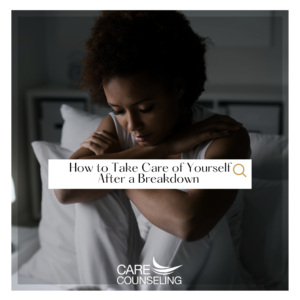 Experiencing a breakdown can be an emotionally and mentally exhausting ordeal. It may leave you feeling shattered and overwhelmed, wondering how to pick up the pieces and regain your sense of self. The journey to recovery after a breakdown is not easy, but with the right strategies and self-care, you can rebuild your emotional well-being and emerge stronger than ever.
Understanding the Breakdown
Before delving into self-care strategies, it’s essential to understand what a breakdown is. A breakdown can manifest in various ways, such as severe anxiety attacks, depressive episodes, or emotional meltdowns. It often results from prolonged stress, unresolved emotional issues, or a culmination of life’s challenges.
- Seek Professional Help
If you’ve experienced a breakdown, it’s crucial to seek professional help. A therapist or counselor can provide you with the support and tools necessary for recovery. They can help you understand the underlying causes of your breakdown and guide you toward healthier coping mechanisms.
- Allow Yourself to Grieve
A breakdown can feel like a loss – a loss of control, stability, or even your sense of self. It’s essential to give yourself permission to grieve this loss. Allow yourself to feel the emotions that arise without judgment.
- Prioritize Self-Care
Self-care becomes your lifeline during recovery. Prioritize self-care practices such as:
– Sleep: Ensure you’re getting enough rest to allow your body and mind to heal.
– Nutrition: Eat a balanced diet that nourishes your body and supports your mental well-being.
– Exercise: Engage in physical activity that you enjoy, as it can boost your mood and reduce stress.
– Mindfulness: Practice mindfulness and meditation to stay grounded and manage anxiety.
- Create a Support System
Lean on your support system, which can include friends, family, or support groups. Open to them about your experience and allow them to provide emotional support.
- Set Realistic Goals
Recovery is a journey, and it’s crucial to set realistic goals for yourself. Take one step at a time and celebrate small victories along the way. Be patient and compassionate with yourself.
- Practice Emotional Expression
Express your emotions in healthy ways. Journaling, art, or simply talking to a trusted friend can help you process your feelings and gain clarity.
- Identify Triggers
Work with a therapist to identify the triggers or underlying issues that contributed to your breakdown. Understanding these triggers can help you develop strategies to manage and prevent future breakdowns.
- Learn Stress Management Techniques
Stress management is a vital skill for preventing future breakdowns. Explore stress-reduction techniques like deep breathing, progressive muscle relaxation, or yoga.
- Build Resilience
Use this challenging experience as an opportunity to build resilience. Resilience is the ability to bounce back from adversity stronger and more equipped to handle future challenges.
- Embrace Self-Compassion
Be kind and compassionate toward yourself. Understand that experiencing a breakdown does not make you weak or inadequate. It’s a sign that you’ve faced significant challenges, and now you’re on a path to healing.
- Create a Safe Space
Create a safe and comforting space for yourself where you can retreat when you need solace. Fill it with items that bring you comfort, such as soothing scents, soft blankets, or calming music.
- Reconnect with Hobbies and Interests
Reconnect with hobbies and interests that bring you joy and fulfillment. Engaging in activities you love can reignite your sense of self.
- Monitor Your Progress
Regularly check in with yourself to monitor your progress. Keep a journal to track your emotional state and the effectiveness of your self-care practices.
Recovering from a breakdown is a process that requires time, patience, and self-compassion. By seeking professional help, prioritizing self-care, and building a strong support system, you can emerge from this experience with newfound resilience and a deeper understanding of yourself. Remember, healing is possible, and with the right strategies, you can rebuild your emotional well-being and move forward towards a brighter future.
 https://care-clinics.com/wp-content/uploads/2026/03/Untitled-4-1.png
500
500
Marketing
https://care-clinics.com/wp-content/uploads/2022/10/CAREcounseling_logo-300x138.png
Marketing2026-06-29 09:00:142026-03-19 11:15:25What does it mean to be nonbinary?
https://care-clinics.com/wp-content/uploads/2026/03/Untitled-4-1.png
500
500
Marketing
https://care-clinics.com/wp-content/uploads/2022/10/CAREcounseling_logo-300x138.png
Marketing2026-06-29 09:00:142026-03-19 11:15:25What does it mean to be nonbinary? https://care-clinics.com/wp-content/uploads/2026/03/Untitled-7.png
500
500
Marketing
https://care-clinics.com/wp-content/uploads/2022/10/CAREcounseling_logo-300x138.png
Marketing2026-06-15 09:00:302026-03-19 11:03:31What ADHD can look like at work
https://care-clinics.com/wp-content/uploads/2026/03/Untitled-7.png
500
500
Marketing
https://care-clinics.com/wp-content/uploads/2022/10/CAREcounseling_logo-300x138.png
Marketing2026-06-15 09:00:302026-03-19 11:03:31What ADHD can look like at work https://care-clinics.com/wp-content/uploads/2026/03/Untitled-6.png
500
500
Marketing
https://care-clinics.com/wp-content/uploads/2022/10/CAREcounseling_logo-300x138.png
Marketing2026-06-08 09:00:352026-03-19 10:57:49Turning difficult conversations into thoughtful discussions
https://care-clinics.com/wp-content/uploads/2026/03/Untitled-6.png
500
500
Marketing
https://care-clinics.com/wp-content/uploads/2022/10/CAREcounseling_logo-300x138.png
Marketing2026-06-08 09:00:352026-03-19 10:57:49Turning difficult conversations into thoughtful discussions https://care-clinics.com/wp-content/uploads/2026/03/Untitled-4.png
500
500
Marketing
https://care-clinics.com/wp-content/uploads/2022/10/CAREcounseling_logo-300x138.png
Marketing2026-05-11 09:00:232026-03-19 10:47:32Comparing types of therapy
https://care-clinics.com/wp-content/uploads/2026/03/Untitled-4.png
500
500
Marketing
https://care-clinics.com/wp-content/uploads/2022/10/CAREcounseling_logo-300x138.png
Marketing2026-05-11 09:00:232026-03-19 10:47:32Comparing types of therapy https://care-clinics.com/wp-content/uploads/2026/03/Untitled-3.png
500
500
Marketing
https://care-clinics.com/wp-content/uploads/2022/10/CAREcounseling_logo-300x138.png
Marketing2026-04-27 09:00:442026-03-19 10:39:03Flight anxiety: 5 essential coping skills
https://care-clinics.com/wp-content/uploads/2026/03/Untitled-3.png
500
500
Marketing
https://care-clinics.com/wp-content/uploads/2022/10/CAREcounseling_logo-300x138.png
Marketing2026-04-27 09:00:442026-03-19 10:39:03Flight anxiety: 5 essential coping skills https://care-clinics.com/wp-content/uploads/2026/03/Untitled-2.png
500
500
Marketing
https://care-clinics.com/wp-content/uploads/2022/10/CAREcounseling_logo-300x138.png
Marketing2026-04-24 09:00:152026-03-19 10:34:066 coping strategies for social anxiety: From overwhelmed to empowered
https://care-clinics.com/wp-content/uploads/2026/03/Untitled-2.png
500
500
Marketing
https://care-clinics.com/wp-content/uploads/2022/10/CAREcounseling_logo-300x138.png
Marketing2026-04-24 09:00:152026-03-19 10:34:066 coping strategies for social anxiety: From overwhelmed to empowered https://care-clinics.com/wp-content/uploads/2026/03/Untitled-1.png
500
500
Marketing
https://care-clinics.com/wp-content/uploads/2022/10/CAREcounseling_logo-300x138.png
Marketing2026-04-06 09:00:232026-03-19 10:26:08What a panic attack may feel like – and how to help
https://care-clinics.com/wp-content/uploads/2026/03/Untitled-1.png
500
500
Marketing
https://care-clinics.com/wp-content/uploads/2022/10/CAREcounseling_logo-300x138.png
Marketing2026-04-06 09:00:232026-03-19 10:26:08What a panic attack may feel like – and how to help https://care-clinics.com/wp-content/uploads/2026/01/6.png
500
500
Marketing
https://care-clinics.com/wp-content/uploads/2022/10/CAREcounseling_logo-300x138.png
Marketing2026-03-08 08:00:342026-01-15 11:00:12Recognizing International Women’s Day
https://care-clinics.com/wp-content/uploads/2026/01/6.png
500
500
Marketing
https://care-clinics.com/wp-content/uploads/2022/10/CAREcounseling_logo-300x138.png
Marketing2026-03-08 08:00:342026-01-15 11:00:12Recognizing International Women’s Day https://care-clinics.com/wp-content/uploads/2026/01/5.png
500
500
Marketing
https://care-clinics.com/wp-content/uploads/2022/10/CAREcounseling_logo-300x138.png
Marketing2026-03-02 08:00:182026-01-15 10:46:58Raising awareness for womens mental health
https://care-clinics.com/wp-content/uploads/2026/01/5.png
500
500
Marketing
https://care-clinics.com/wp-content/uploads/2022/10/CAREcounseling_logo-300x138.png
Marketing2026-03-02 08:00:182026-01-15 10:46:58Raising awareness for womens mental health https://care-clinics.com/wp-content/uploads/2026/01/4.png
500
500
Marketing
https://care-clinics.com/wp-content/uploads/2022/10/CAREcounseling_logo-300x138.png
Marketing2026-02-23 08:00:142026-01-15 10:40:00Foods that can help support mental well-being
https://care-clinics.com/wp-content/uploads/2026/01/4.png
500
500
Marketing
https://care-clinics.com/wp-content/uploads/2022/10/CAREcounseling_logo-300x138.png
Marketing2026-02-23 08:00:142026-01-15 10:40:00Foods that can help support mental well-being https://care-clinics.com/wp-content/uploads/2026/01/3.png
500
500
Marketing
https://care-clinics.com/wp-content/uploads/2022/10/CAREcounseling_logo-300x138.png
Marketing2026-02-02 08:00:212026-01-15 10:22:42The importance of gut health — and why it matters for more than digestion
https://care-clinics.com/wp-content/uploads/2026/01/3.png
500
500
Marketing
https://care-clinics.com/wp-content/uploads/2022/10/CAREcounseling_logo-300x138.png
Marketing2026-02-02 08:00:212026-01-15 10:22:42The importance of gut health — and why it matters for more than digestion https://care-clinics.com/wp-content/uploads/2026/01/2.png
500
500
Marketing
https://care-clinics.com/wp-content/uploads/2022/10/CAREcounseling_logo-300x138.png
Marketing2026-01-23 08:00:242026-01-15 10:15:42How does your body respond to stress?
https://care-clinics.com/wp-content/uploads/2026/01/2.png
500
500
Marketing
https://care-clinics.com/wp-content/uploads/2022/10/CAREcounseling_logo-300x138.png
Marketing2026-01-23 08:00:242026-01-15 10:15:42How does your body respond to stress? https://care-clinics.com/wp-content/uploads/2026/01/Untitled-1.png
500
500
Marketing
https://care-clinics.com/wp-content/uploads/2022/10/CAREcounseling_logo-300x138.png
Marketing2026-01-19 08:00:182026-01-15 10:10:17Want to set goals that actually stick? Try this instead!
https://care-clinics.com/wp-content/uploads/2026/01/Untitled-1.png
500
500
Marketing
https://care-clinics.com/wp-content/uploads/2022/10/CAREcounseling_logo-300x138.png
Marketing2026-01-19 08:00:182026-01-15 10:10:17Want to set goals that actually stick? Try this instead! https://care-clinics.com/wp-content/uploads/2025/09/Untitled-1-7.png
500
500
Marketing
https://care-clinics.com/wp-content/uploads/2022/10/CAREcounseling_logo-300x138.png
Marketing2025-12-29 08:00:092025-09-29 15:52:27New Year, Fresh Mindset
https://care-clinics.com/wp-content/uploads/2025/09/Untitled-1-7.png
500
500
Marketing
https://care-clinics.com/wp-content/uploads/2022/10/CAREcounseling_logo-300x138.png
Marketing2025-12-29 08:00:092025-09-29 15:52:27New Year, Fresh Mindset https://care-clinics.com/wp-content/uploads/2025/09/Untitled-1-6.png
500
500
Marketing
https://care-clinics.com/wp-content/uploads/2022/10/CAREcounseling_logo-300x138.png
Marketing2025-12-08 08:00:432025-09-29 15:49:40Reflect and Reset: How to Process the Past 12 Months and Prepare for the Next
https://care-clinics.com/wp-content/uploads/2025/09/Untitled-1-6.png
500
500
Marketing
https://care-clinics.com/wp-content/uploads/2022/10/CAREcounseling_logo-300x138.png
Marketing2025-12-08 08:00:432025-09-29 15:49:40Reflect and Reset: How to Process the Past 12 Months and Prepare for the Next https://care-clinics.com/wp-content/uploads/2025/11/Untitled-1.png
500
500
Marketing
https://care-clinics.com/wp-content/uploads/2022/10/CAREcounseling_logo-300x138.png
Marketing2025-12-05 08:00:052025-09-29 15:47:16Making the Most of Your Wellbeing for Special Occasions
https://care-clinics.com/wp-content/uploads/2025/11/Untitled-1.png
500
500
Marketing
https://care-clinics.com/wp-content/uploads/2022/10/CAREcounseling_logo-300x138.png
Marketing2025-12-05 08:00:052025-09-29 15:47:16Making the Most of Your Wellbeing for Special Occasions https://care-clinics.com/wp-content/uploads/2025/09/Untitled-1-5.png
500
500
Marketing
https://care-clinics.com/wp-content/uploads/2022/10/CAREcounseling_logo-300x138.png
Marketing2025-11-29 08:00:322025-09-29 15:42:19Healthy Coping with Change
https://care-clinics.com/wp-content/uploads/2025/09/Untitled-1-5.png
500
500
Marketing
https://care-clinics.com/wp-content/uploads/2022/10/CAREcounseling_logo-300x138.png
Marketing2025-11-29 08:00:322025-09-29 15:42:19Healthy Coping with Change https://care-clinics.com/wp-content/uploads/2025/09/Untitled-1-4.png
500
500
Marketing
https://care-clinics.com/wp-content/uploads/2022/10/CAREcounseling_logo-300x138.png
Marketing2025-11-21 08:00:062025-09-29 15:35:46Are You Sober Curious?
https://care-clinics.com/wp-content/uploads/2025/09/Untitled-1-4.png
500
500
Marketing
https://care-clinics.com/wp-content/uploads/2022/10/CAREcounseling_logo-300x138.png
Marketing2025-11-21 08:00:062025-09-29 15:35:46Are You Sober Curious? https://care-clinics.com/wp-content/uploads/2025/09/Untitled-1-3.png
500
500
Marketing
https://care-clinics.com/wp-content/uploads/2022/10/CAREcounseling_logo-300x138.png
Marketing2025-11-10 08:00:232025-09-29 15:29:37Managing the Symptoms of Depression
https://care-clinics.com/wp-content/uploads/2025/09/Untitled-1-3.png
500
500
Marketing
https://care-clinics.com/wp-content/uploads/2022/10/CAREcounseling_logo-300x138.png
Marketing2025-11-10 08:00:232025-09-29 15:29:37Managing the Symptoms of Depression https://care-clinics.com/wp-content/uploads/2025/09/Untitled-1-2.png
500
500
Marketing
https://care-clinics.com/wp-content/uploads/2022/10/CAREcounseling_logo-300x138.png
Marketing2025-10-31 08:00:002025-09-29 15:24:52Wintertime Depression
https://care-clinics.com/wp-content/uploads/2025/09/Untitled-1-2.png
500
500
Marketing
https://care-clinics.com/wp-content/uploads/2022/10/CAREcounseling_logo-300x138.png
Marketing2025-10-31 08:00:002025-09-29 15:24:52Wintertime Depression https://care-clinics.com/wp-content/uploads/2025/09/Untitled-1-1.png
500
500
Marketing
https://care-clinics.com/wp-content/uploads/2022/10/CAREcounseling_logo-300x138.png
Marketing2025-10-20 08:00:162025-09-29 15:18:21A Quick Guide to Mindful Living
https://care-clinics.com/wp-content/uploads/2025/09/Untitled-1-1.png
500
500
Marketing
https://care-clinics.com/wp-content/uploads/2022/10/CAREcounseling_logo-300x138.png
Marketing2025-10-20 08:00:162025-09-29 15:18:21A Quick Guide to Mindful Living https://care-clinics.com/wp-content/uploads/2025/09/Untitled-1.png
500
500
Marketing
https://care-clinics.com/wp-content/uploads/2022/10/CAREcounseling_logo-300x138.png
Marketing2025-10-13 08:00:352025-09-29 15:13:50Achieving Goals Step by Step
https://care-clinics.com/wp-content/uploads/2025/09/Untitled-1.png
500
500
Marketing
https://care-clinics.com/wp-content/uploads/2022/10/CAREcounseling_logo-300x138.png
Marketing2025-10-13 08:00:352025-09-29 15:13:50Achieving Goals Step by Step https://care-clinics.com/wp-content/uploads/2025/07/meditation.jpg
500
500
Marketing
https://care-clinics.com/wp-content/uploads/2022/10/CAREcounseling_logo-300x138.png
Marketing2025-09-29 08:00:042025-07-15 11:47:54Meditation for Anxiety: A Beginner’s Guide
https://care-clinics.com/wp-content/uploads/2025/07/meditation.jpg
500
500
Marketing
https://care-clinics.com/wp-content/uploads/2022/10/CAREcounseling_logo-300x138.png
Marketing2025-09-29 08:00:042025-07-15 11:47:54Meditation for Anxiety: A Beginner’s Guide https://care-clinics.com/wp-content/uploads/2025/07/recoverysupport.jpg
500
500
Marketing
https://care-clinics.com/wp-content/uploads/2022/10/CAREcounseling_logo-300x138.png
Marketing2025-09-12 08:00:322025-07-15 11:42:09How to Create a Recovery Support Network
https://care-clinics.com/wp-content/uploads/2025/07/recoverysupport.jpg
500
500
Marketing
https://care-clinics.com/wp-content/uploads/2022/10/CAREcounseling_logo-300x138.png
Marketing2025-09-12 08:00:322025-07-15 11:42:09How to Create a Recovery Support Network