Holistic Approaches to Addiction Recovery
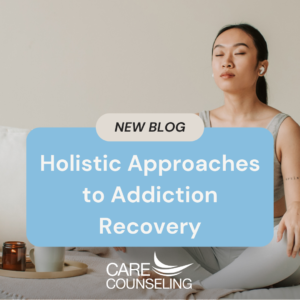 Addiction is a complex and multifaceted issue that affects millions of people worldwide. The path to recovery is not one-size-fits-all, and some individuals may benefit from a more holistic approach. Let’s explore alternative and holistic therapies such as acupuncture, yoga, meditation, and art therapy, and how they complement traditional addiction treatment by addressing the mind, body, and spirit.
The Holistic Approach
Holistic approaches to addiction recovery consider the whole person, recognizing that addiction is not just a physical or psychological issue but also a spiritual one. These therapies aim to restore balance and harmony within an individual’s life, helping them heal on multiple levels. While traditional treatments are undoubtedly valuable, integrating holistic therapies can enhance the recovery process.
- Acupuncture: Restoring Energy Flow
Acupuncture, an ancient Chinese practice, involves inserting thin needles into specific points on the body to stimulate energy flow, known as Qi or Chi. In addiction recovery, acupuncture can help alleviate withdrawal symptoms, reduce cravings, and promote overall well-being. By targeting the body’s energy pathways, it can restore balance and reduce the stress and anxiety that often accompany addiction.
Acupuncture complements traditional treatment by addressing the physical aspect of addiction. It helps the body detoxify and rebalance, making it easier for individuals to manage the physiological challenges of withdrawal. When combined with counseling and medication, acupuncture can improve the chances of a successful recovery.
- Yoga: Mind-Body Connection
Yoga is a holistic practice that combines physical postures, breath control, and meditation to promote physical and mental well-being. In addiction recovery, yoga helps individuals reconnect with their bodies and minds. It teaches them to manage stress, anxiety, and cravings by fostering mindfulness and self-awareness.
Yoga’s emphasis on the mind-body connection complements traditional treatment by addressing the psychological and physical aspects of addiction simultaneously. Practicing yoga can help individuals better cope with triggers and cravings while promoting a sense of calm and self-acceptance.
- Meditation: Finding Inner Peace
Meditation is a powerful tool for addiction recovery as it helps individuals find inner peace and manage stress. Mindfulness meditation encourages individuals to stay in the present moment, making it easier to resist the urge to use substances. It can also be an essential coping mechanism for dealing with the emotional challenges that often accompany addiction.
Meditation complements traditional treatment by providing individuals with a means to cultivate mental resilience. When integrated into a recovery program, meditation can help individuals develop healthier thought patterns and emotional regulation skills, reducing the risk of relapse.
- Art Therapy: Expressing Emotions
Art therapy taps into the creative process to help individuals express their emotions and gain insights into their addiction. Through various artistic mediums such as painting, drawing, or sculpture, individuals can explore their feelings, traumas, and inner conflicts in a non-verbal and non-judgmental way.
Art therapy complements traditional treatment by offering a unique avenue for self-expression. It can be particularly beneficial for those who struggle to articulate their emotions through words alone. By engaging in creative activities, individuals in recovery can process their experiences and develop a deeper understanding of themselves.
Integration and Collaboration
While each of these holistic therapies can be beneficial on its own, their true power lies in their integration with traditional addiction treatment. Holistic approaches should be viewed as complementary to evidence-based therapies, working together to address the multifaceted nature of addiction.
- A Personalized Approach: Every individual’s journey through addiction and recovery is unique. A holistic approach allows treatment providers to tailor therapies to each person’s specific needs, increasing the likelihood of success.
- Enhanced Overall Well-Being: Holistic therapies can improve an individual’s physical health, mental well-being, and emotional stability, creating a solid foundation for long-term recovery.
- Coping Mechanisms: Holistic therapies equip individuals with a range of coping mechanisms to manage stress, cravings, and triggers effectively, reducing the risk of relapse.
- Addressing Underlying Issues: Holistic therapies often delve into the underlying causes of addiction, helping individuals heal from past traumas and emotional wounds that may have contributed to their substance use.
- Promoting Mindfulness: Mindfulness practices like yoga and meditation can help individuals stay present and make healthier choices in their daily lives.
Addiction recovery is a complex and challenging journey, but integrating holistic approaches alongside traditional treatment methods can greatly enhance an individual’s chances of success. Acupuncture, yoga, meditation, and art therapy offer unique benefits that address the physical, mental, emotional, and spiritual aspects of addiction. By embracing a holistic approach, individuals can embark on a transformative journey towards lasting recovery and improved overall well-being.
 https://care-clinics.com/wp-content/uploads/2026/03/Untitled-4-1.png
500
500
Marketing
https://care-clinics.com/wp-content/uploads/2022/10/CAREcounseling_logo-300x138.png
Marketing2026-06-29 09:00:142026-03-19 11:15:25What does it mean to be nonbinary?
https://care-clinics.com/wp-content/uploads/2026/03/Untitled-4-1.png
500
500
Marketing
https://care-clinics.com/wp-content/uploads/2022/10/CAREcounseling_logo-300x138.png
Marketing2026-06-29 09:00:142026-03-19 11:15:25What does it mean to be nonbinary? https://care-clinics.com/wp-content/uploads/2026/03/Untitled-7.png
500
500
Marketing
https://care-clinics.com/wp-content/uploads/2022/10/CAREcounseling_logo-300x138.png
Marketing2026-06-15 09:00:302026-03-19 11:03:31What ADHD can look like at work
https://care-clinics.com/wp-content/uploads/2026/03/Untitled-7.png
500
500
Marketing
https://care-clinics.com/wp-content/uploads/2022/10/CAREcounseling_logo-300x138.png
Marketing2026-06-15 09:00:302026-03-19 11:03:31What ADHD can look like at work https://care-clinics.com/wp-content/uploads/2026/03/Untitled-6.png
500
500
Marketing
https://care-clinics.com/wp-content/uploads/2022/10/CAREcounseling_logo-300x138.png
Marketing2026-06-08 09:00:352026-03-19 10:57:49Turning difficult conversations into thoughtful discussions
https://care-clinics.com/wp-content/uploads/2026/03/Untitled-6.png
500
500
Marketing
https://care-clinics.com/wp-content/uploads/2022/10/CAREcounseling_logo-300x138.png
Marketing2026-06-08 09:00:352026-03-19 10:57:49Turning difficult conversations into thoughtful discussions https://care-clinics.com/wp-content/uploads/2026/03/Untitled-4.png
500
500
Marketing
https://care-clinics.com/wp-content/uploads/2022/10/CAREcounseling_logo-300x138.png
Marketing2026-05-11 09:00:232026-03-19 10:47:32Comparing types of therapy
https://care-clinics.com/wp-content/uploads/2026/03/Untitled-4.png
500
500
Marketing
https://care-clinics.com/wp-content/uploads/2022/10/CAREcounseling_logo-300x138.png
Marketing2026-05-11 09:00:232026-03-19 10:47:32Comparing types of therapy https://care-clinics.com/wp-content/uploads/2026/03/Untitled-3.png
500
500
Marketing
https://care-clinics.com/wp-content/uploads/2022/10/CAREcounseling_logo-300x138.png
Marketing2026-04-27 09:00:442026-03-19 10:39:03Flight anxiety: 5 essential coping skills
https://care-clinics.com/wp-content/uploads/2026/03/Untitled-3.png
500
500
Marketing
https://care-clinics.com/wp-content/uploads/2022/10/CAREcounseling_logo-300x138.png
Marketing2026-04-27 09:00:442026-03-19 10:39:03Flight anxiety: 5 essential coping skills https://care-clinics.com/wp-content/uploads/2026/03/Untitled-2.png
500
500
Marketing
https://care-clinics.com/wp-content/uploads/2022/10/CAREcounseling_logo-300x138.png
Marketing2026-04-24 09:00:152026-03-19 10:34:066 coping strategies for social anxiety: From overwhelmed to empowered
https://care-clinics.com/wp-content/uploads/2026/03/Untitled-2.png
500
500
Marketing
https://care-clinics.com/wp-content/uploads/2022/10/CAREcounseling_logo-300x138.png
Marketing2026-04-24 09:00:152026-03-19 10:34:066 coping strategies for social anxiety: From overwhelmed to empowered https://care-clinics.com/wp-content/uploads/2026/03/Untitled-1.png
500
500
Marketing
https://care-clinics.com/wp-content/uploads/2022/10/CAREcounseling_logo-300x138.png
Marketing2026-04-06 09:00:232026-03-19 10:26:08What a panic attack may feel like – and how to help
https://care-clinics.com/wp-content/uploads/2026/03/Untitled-1.png
500
500
Marketing
https://care-clinics.com/wp-content/uploads/2022/10/CAREcounseling_logo-300x138.png
Marketing2026-04-06 09:00:232026-03-19 10:26:08What a panic attack may feel like – and how to help https://care-clinics.com/wp-content/uploads/2026/01/6.png
500
500
Marketing
https://care-clinics.com/wp-content/uploads/2022/10/CAREcounseling_logo-300x138.png
Marketing2026-03-08 08:00:342026-01-15 11:00:12Recognizing International Women’s Day
https://care-clinics.com/wp-content/uploads/2026/01/6.png
500
500
Marketing
https://care-clinics.com/wp-content/uploads/2022/10/CAREcounseling_logo-300x138.png
Marketing2026-03-08 08:00:342026-01-15 11:00:12Recognizing International Women’s Day https://care-clinics.com/wp-content/uploads/2026/01/5.png
500
500
Marketing
https://care-clinics.com/wp-content/uploads/2022/10/CAREcounseling_logo-300x138.png
Marketing2026-03-02 08:00:182026-01-15 10:46:58Raising awareness for womens mental health
https://care-clinics.com/wp-content/uploads/2026/01/5.png
500
500
Marketing
https://care-clinics.com/wp-content/uploads/2022/10/CAREcounseling_logo-300x138.png
Marketing2026-03-02 08:00:182026-01-15 10:46:58Raising awareness for womens mental health https://care-clinics.com/wp-content/uploads/2026/01/4.png
500
500
Marketing
https://care-clinics.com/wp-content/uploads/2022/10/CAREcounseling_logo-300x138.png
Marketing2026-02-23 08:00:142026-01-15 10:40:00Foods that can help support mental well-being
https://care-clinics.com/wp-content/uploads/2026/01/4.png
500
500
Marketing
https://care-clinics.com/wp-content/uploads/2022/10/CAREcounseling_logo-300x138.png
Marketing2026-02-23 08:00:142026-01-15 10:40:00Foods that can help support mental well-being https://care-clinics.com/wp-content/uploads/2026/01/3.png
500
500
Marketing
https://care-clinics.com/wp-content/uploads/2022/10/CAREcounseling_logo-300x138.png
Marketing2026-02-02 08:00:212026-01-15 10:22:42The importance of gut health — and why it matters for more than digestion
https://care-clinics.com/wp-content/uploads/2026/01/3.png
500
500
Marketing
https://care-clinics.com/wp-content/uploads/2022/10/CAREcounseling_logo-300x138.png
Marketing2026-02-02 08:00:212026-01-15 10:22:42The importance of gut health — and why it matters for more than digestion https://care-clinics.com/wp-content/uploads/2026/01/2.png
500
500
Marketing
https://care-clinics.com/wp-content/uploads/2022/10/CAREcounseling_logo-300x138.png
Marketing2026-01-23 08:00:242026-01-15 10:15:42How does your body respond to stress?
https://care-clinics.com/wp-content/uploads/2026/01/2.png
500
500
Marketing
https://care-clinics.com/wp-content/uploads/2022/10/CAREcounseling_logo-300x138.png
Marketing2026-01-23 08:00:242026-01-15 10:15:42How does your body respond to stress? https://care-clinics.com/wp-content/uploads/2026/01/Untitled-1.png
500
500
Marketing
https://care-clinics.com/wp-content/uploads/2022/10/CAREcounseling_logo-300x138.png
Marketing2026-01-19 08:00:182026-01-15 10:10:17Want to set goals that actually stick? Try this instead!
https://care-clinics.com/wp-content/uploads/2026/01/Untitled-1.png
500
500
Marketing
https://care-clinics.com/wp-content/uploads/2022/10/CAREcounseling_logo-300x138.png
Marketing2026-01-19 08:00:182026-01-15 10:10:17Want to set goals that actually stick? Try this instead! https://care-clinics.com/wp-content/uploads/2025/09/Untitled-1-7.png
500
500
Marketing
https://care-clinics.com/wp-content/uploads/2022/10/CAREcounseling_logo-300x138.png
Marketing2025-12-29 08:00:092025-09-29 15:52:27New Year, Fresh Mindset
https://care-clinics.com/wp-content/uploads/2025/09/Untitled-1-7.png
500
500
Marketing
https://care-clinics.com/wp-content/uploads/2022/10/CAREcounseling_logo-300x138.png
Marketing2025-12-29 08:00:092025-09-29 15:52:27New Year, Fresh Mindset https://care-clinics.com/wp-content/uploads/2025/09/Untitled-1-6.png
500
500
Marketing
https://care-clinics.com/wp-content/uploads/2022/10/CAREcounseling_logo-300x138.png
Marketing2025-12-08 08:00:432025-09-29 15:49:40Reflect and Reset: How to Process the Past 12 Months and Prepare for the Next
https://care-clinics.com/wp-content/uploads/2025/09/Untitled-1-6.png
500
500
Marketing
https://care-clinics.com/wp-content/uploads/2022/10/CAREcounseling_logo-300x138.png
Marketing2025-12-08 08:00:432025-09-29 15:49:40Reflect and Reset: How to Process the Past 12 Months and Prepare for the Next https://care-clinics.com/wp-content/uploads/2025/11/Untitled-1.png
500
500
Marketing
https://care-clinics.com/wp-content/uploads/2022/10/CAREcounseling_logo-300x138.png
Marketing2025-12-05 08:00:052025-09-29 15:47:16Making the Most of Your Wellbeing for Special Occasions
https://care-clinics.com/wp-content/uploads/2025/11/Untitled-1.png
500
500
Marketing
https://care-clinics.com/wp-content/uploads/2022/10/CAREcounseling_logo-300x138.png
Marketing2025-12-05 08:00:052025-09-29 15:47:16Making the Most of Your Wellbeing for Special Occasions https://care-clinics.com/wp-content/uploads/2025/09/Untitled-1-5.png
500
500
Marketing
https://care-clinics.com/wp-content/uploads/2022/10/CAREcounseling_logo-300x138.png
Marketing2025-11-29 08:00:322025-09-29 15:42:19Healthy Coping with Change
https://care-clinics.com/wp-content/uploads/2025/09/Untitled-1-5.png
500
500
Marketing
https://care-clinics.com/wp-content/uploads/2022/10/CAREcounseling_logo-300x138.png
Marketing2025-11-29 08:00:322025-09-29 15:42:19Healthy Coping with Change https://care-clinics.com/wp-content/uploads/2025/09/Untitled-1-4.png
500
500
Marketing
https://care-clinics.com/wp-content/uploads/2022/10/CAREcounseling_logo-300x138.png
Marketing2025-11-21 08:00:062025-09-29 15:35:46Are You Sober Curious?
https://care-clinics.com/wp-content/uploads/2025/09/Untitled-1-4.png
500
500
Marketing
https://care-clinics.com/wp-content/uploads/2022/10/CAREcounseling_logo-300x138.png
Marketing2025-11-21 08:00:062025-09-29 15:35:46Are You Sober Curious? https://care-clinics.com/wp-content/uploads/2025/09/Untitled-1-3.png
500
500
Marketing
https://care-clinics.com/wp-content/uploads/2022/10/CAREcounseling_logo-300x138.png
Marketing2025-11-10 08:00:232025-09-29 15:29:37Managing the Symptoms of Depression
https://care-clinics.com/wp-content/uploads/2025/09/Untitled-1-3.png
500
500
Marketing
https://care-clinics.com/wp-content/uploads/2022/10/CAREcounseling_logo-300x138.png
Marketing2025-11-10 08:00:232025-09-29 15:29:37Managing the Symptoms of Depression https://care-clinics.com/wp-content/uploads/2025/09/Untitled-1-2.png
500
500
Marketing
https://care-clinics.com/wp-content/uploads/2022/10/CAREcounseling_logo-300x138.png
Marketing2025-10-31 08:00:002025-09-29 15:24:52Wintertime Depression
https://care-clinics.com/wp-content/uploads/2025/09/Untitled-1-2.png
500
500
Marketing
https://care-clinics.com/wp-content/uploads/2022/10/CAREcounseling_logo-300x138.png
Marketing2025-10-31 08:00:002025-09-29 15:24:52Wintertime Depression https://care-clinics.com/wp-content/uploads/2025/09/Untitled-1-1.png
500
500
Marketing
https://care-clinics.com/wp-content/uploads/2022/10/CAREcounseling_logo-300x138.png
Marketing2025-10-20 08:00:162025-09-29 15:18:21A Quick Guide to Mindful Living
https://care-clinics.com/wp-content/uploads/2025/09/Untitled-1-1.png
500
500
Marketing
https://care-clinics.com/wp-content/uploads/2022/10/CAREcounseling_logo-300x138.png
Marketing2025-10-20 08:00:162025-09-29 15:18:21A Quick Guide to Mindful Living https://care-clinics.com/wp-content/uploads/2025/09/Untitled-1.png
500
500
Marketing
https://care-clinics.com/wp-content/uploads/2022/10/CAREcounseling_logo-300x138.png
Marketing2025-10-13 08:00:352025-09-29 15:13:50Achieving Goals Step by Step
https://care-clinics.com/wp-content/uploads/2025/09/Untitled-1.png
500
500
Marketing
https://care-clinics.com/wp-content/uploads/2022/10/CAREcounseling_logo-300x138.png
Marketing2025-10-13 08:00:352025-09-29 15:13:50Achieving Goals Step by Step https://care-clinics.com/wp-content/uploads/2025/07/meditation.jpg
500
500
Marketing
https://care-clinics.com/wp-content/uploads/2022/10/CAREcounseling_logo-300x138.png
Marketing2025-09-29 08:00:042025-07-15 11:47:54Meditation for Anxiety: A Beginner’s Guide
https://care-clinics.com/wp-content/uploads/2025/07/meditation.jpg
500
500
Marketing
https://care-clinics.com/wp-content/uploads/2022/10/CAREcounseling_logo-300x138.png
Marketing2025-09-29 08:00:042025-07-15 11:47:54Meditation for Anxiety: A Beginner’s Guide https://care-clinics.com/wp-content/uploads/2025/07/recoverysupport.jpg
500
500
Marketing
https://care-clinics.com/wp-content/uploads/2022/10/CAREcounseling_logo-300x138.png
Marketing2025-09-12 08:00:322025-07-15 11:42:09How to Create a Recovery Support Network
https://care-clinics.com/wp-content/uploads/2025/07/recoverysupport.jpg
500
500
Marketing
https://care-clinics.com/wp-content/uploads/2022/10/CAREcounseling_logo-300x138.png
Marketing2025-09-12 08:00:322025-07-15 11:42:09How to Create a Recovery Support Network